

 HOME
HOME OTTC
OTTC
 Empoweringtech
 Eduverseinc
 All Project
 DCC2023
 MOE Mini Hackathon
 MOE ESPORTS
 ESPORTS2024
 ทีมผู้พัฒนาเว็บไซต์
Drinking can make it harder to control your blood sugar levels, which increases your risk of diabetic kidney disease. If you suspect that your kidneys may be affected by your alcohol consumption, or you’re worried about a loved one’s alcohol intake, seeking help is crucial. Kidney issues are serious but can be manageable, especially when detected early. Don’t hesitate to reach out to a healthcare provider for evaluation and guidance on making positive changes to protect your kidney health. You experience kidney pain after drinking alcohol because you’ve been overdoing it.
What is Molly? A Comprehensive Guide to MDMA, Its Effects, and Risks
At this stage, the kidneys can no longer function on their own, and dialysis or a kidney transplant becomes necessary for survival. Kidney pain after drinking alcohol may occur due to acute kidney injury or an infection. Moderate drinking should not cause kidney pain, but binge drinking or frequent drinking may cause kidney problems. Many people don’t realize that common medications can interact dangerously with alcohol to increase kidney pain risk.
- Alcohol and other waste products must be removed from the body by the kidneys.
- Understanding this connection is crucial for maintaining kidney health and preventing serious complications.
- Alcohol dehydrates the body, affecting the ability of the kidneys to regulate body fluids and electrolytes, and can also cause a rise in blood pressure, a risk factor for kidney problems.
- Binge drinking is especially dangerous, as it may lead to acute kidney injury requiring dialysis.
- Having said that, quitting alcohol and adhering to medical recommendations can help slow the progression of kidney disease and improve overall kidney health.
- Alcohol consumption affects multiple organ systems, including the kidneys.
Need help? Call NKF CARES
- However, it is not always that simple, especially if you’ve been drinking heavily for several years now.
- While the kidneys can heal quite well once heavy alcohol use is removed, there may be situations where the stress is so great that it causes lasting damage.
- Depending on the extent of dehydration, a healthcare professional may give youintravenous (IV) fluids as the most efficient means of helping you rehydrate.
- Excessive alcohol raises blood pressure, one of the leading causes of kidney disease.
The dehydration effect becomes particularly pronounced when you’re drinking without adequate water intake. Your kidneys struggle drug addiction to maintain proper fluid balance while simultaneously processing the alcohol, creating a perfect storm for discomfort. You may feel flank pain and difficulty or discomfort during urination. Having kidney stones heightens your risk of developing hydronephrosis. Kidneys are essential to keeping the body healthy and free of harmful substances such as alcohol. The kidneys also maintain the proper balance of fluid and electrolytes.
However, the truth is that excessive alcohol consumption can wreak havoc on these vital organs, leading to various complications. Let’s dive into the world of kidney health and its relationship with alcohol. Liver disease and kidney disease are conditions that can be caused by long-term alcohol abuse, sometimes as part of end-stage alcoholism and death. Once the liver https://royal.adibdigital.site/what-is-electronic-funds-transfer-eft/ becomes compromised, the blood flow to the kidneys is interrupted, instigating a domino effect of vital organ damage and possible shutdown. Kidney pain after drinking alcohol is a serious symptom that should not be ignored.
- You can add freshly squeezed lemons to your water as often as you like.
- The luxury detox program at The Ohana Hawaii provides a safe and supportive environment for individuals to begin their recovery journey.
- Similarly, concentrated urine can irritate and inflame your kidneys and the entire urinary tract, leading to that uncomfortable ache you feel the next morning.
- If kidney disease advances, you may require dialysis or a kidney transplant.
- To ease pain, warm baths with Epsom salt is an excellent remedy can ease pain.
What Are the First Signs of Kidney Damage From Alcohol?
Chronic kidney disease occurs when the kidneys are damaged and unable to function correctly. This condition is typically permanent and sometimes requires dialysis, a form of life support where a machine performs the filtering function of your kidneys. The damage chronic alcohol use creates doubles your risk of chronic kidney disease. This risk is five times higher if you smoke in addition to drinking. They work to keep the right balance of chemicals and electrolytes in the blood and help maintain normal blood pressure. Alcohol can impact these functions, as drinking affects your kidneys in many ways.
Your kidneys work tirelessly to filter toxins from your blood, and alcohol presents them with a significant challenge. If you experience kidney pain after drinking alcohol, it’s essential that you pay attention to your body and what it’s telling you. You may need to take a complete break from alcohol for a set amount of time or reduce the amount of alcohol you consume. While binge drinking can cause acute kidney injury, it can also lead to chronic kidney damage. In this situation, the strain on the kidneys leads to permanent damage. Chronic kidney damage is often progressive, requiring dialysis every one to three days to remove toxins that build up in your body and keep you alive.

Kidney Pain After Drinking Alcohol: Why It Happens & What to Do
Once ingested, isopropyl alcohol converts into acetone in the liver—a compound harmful at high levels but less toxic than methanol metabolites. However, acetone still depresses CNS function and disrupts acid-base balance in blood. Because denatured ethanol contains bittering agents and poisons added intentionally to prevent drinking, its toxicity varies depending on formulation. Isopropyl alcohol is generally more accessible as rubbing alcohol but equally dangerous. Visual disturbances can also occur, as alcohol and vision are more closely linked than many people realize. In some cases, people going through withdrawal may experience alcohol withdrawal eye twitch, which is often temporary but can add to overall discomfort during recovery.

The Importance of Detox Treatment: Why Skipping It Could Sabotage Your Rehab
In particular, if you drink excessively or are an alcoholic, this is likely. The Centers for Disease Control and Prevention (CDC) reports that nearly two-thirds of American adults drink alcohol. A concerning portion—about 1 in 4 drinkers—binge drink at least once per year, consuming five or more drinks within a short time frame. Binge drinking can lead to acute kidney injury (AKI), a sudden drop in kidney function that can sometimes lead to lasting damage. Alcohol and diabetes don’t mix well—especially when it comes to kidney health.
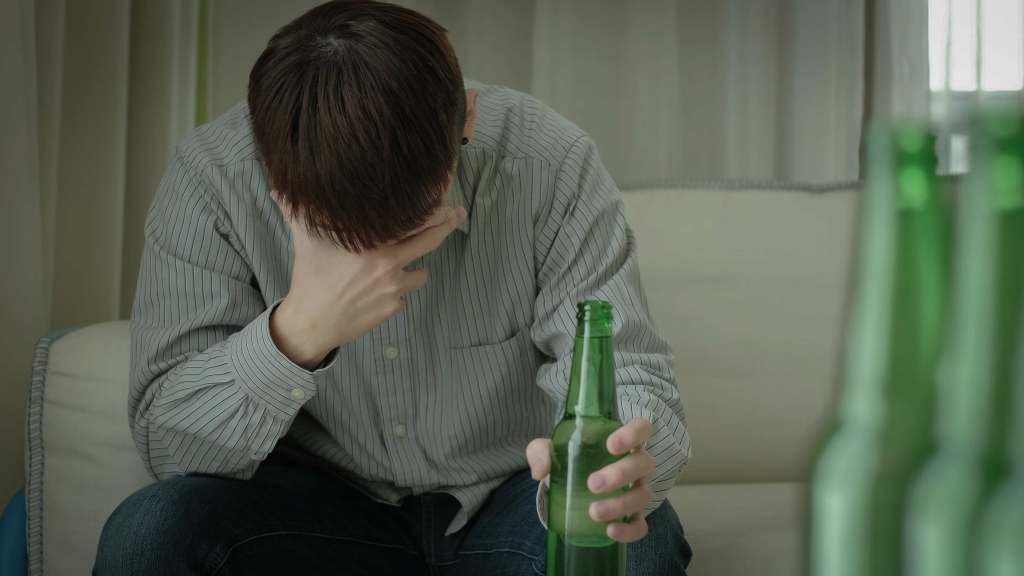
Benzo Detox and Withdrawal Symptoms & Treatment Methods
How long the person engaged in heavy alcohol use, the presence of other health problems and the types of kidney damage that occurred play an important role in how recovery progresses. You can reduce the risk of dehydration by drinking water while using alcohol. While there is no set amount of water you should be consuming, many medical professionals recommend drinking at least two full glasses of water for every alcoholic drink you use. The Recovery Village Palm Beach at Baptist Health provides a range of evidence-based treatment programs tailored to each individual’s unique circumstances. If you or someone you know is struggling with alcohol misuse, seeking professional help could significantly improve kidney health and overall well-being. Contact The Recovery Village Palm Beach at Baptist Health to learn more about available treatment options and take a vital step toward recovery.
Alcohol weakens the immune response, making it harder for the body to fight off bacteria that may lead to kidney infections. Additionally, dehydration caused by alcohol can result in urinary stasis, where urine remains in the bladder for prolonged periods, creating a favorable environment for bacterial growth. Recognizing these risks can help individuals take proactive steps to reduce their vulnerability. A high alcohol intake may also increase the risk of other problems that can hurt the kidneys, such as a urinary tract infection, high blood pressure, and long-term kidney damage. If you have UPJ obstruction, you may experience kidney pain after drinking alcohol. kidney pain from drinking The symptoms and condition of a urinary tract infection may worsen after drinking alcohol.